














eero 7 vs. eero Pro 6E: Which mesh WiFi system should you buy?

Streaming 4K content across multiple rooms, working from a home office, gaming online and running smart devices all rely on more than just raw speed; they rely on a stable, low latency WiFi connection capable of handling many connected devices simultaneously.
That’s where eero’s latest mesh networking systems come in. The eero 7 and eero Pro 6E are designed to deliver consistent whole home WiFi, eliminate dead zones and take full advantage of Astound’s Gigabit speed internet plans. With tri-band connectivity, intelligent traffic management and simple app-based setup, they make reliable, high speed performance easy to achieve in any home.
If you’re upgrading from an older standard router or expanding your smart home, this guide compares both systems by performance, coverage and value to help you find the right system for your home’s needs today, and as they evolve.
What you'll learn:
Fiber-powered internet
Why Fiber Internet works better
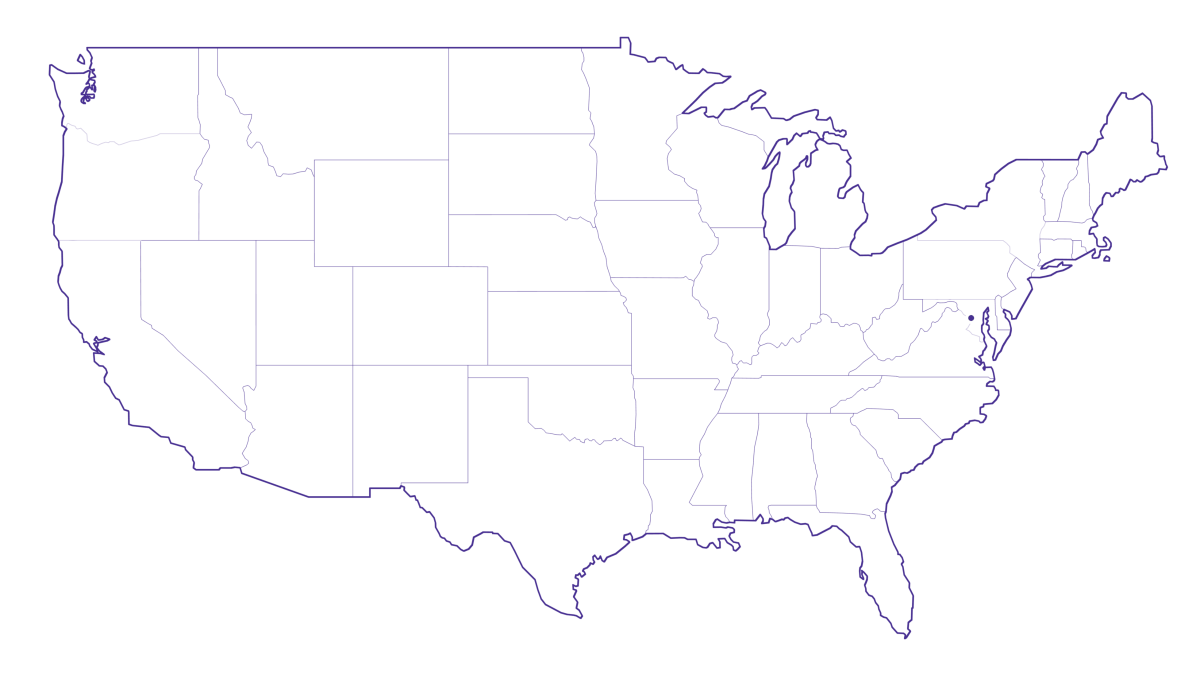
Astound’s fiber-powered internet provides consistent speeds throughout the day versus 5G Home Internet which is prone to intermittency.

eero 7 vs. eero Pro 6E: Side-by-side comparison
The comparison below highlights how the eero 7 and eero Pro 6E stack up. Both use eero’s TrueMesh technology to balance traffic and keep devices connected to the strongest signal. But the difference lies in their speed ceiling, port configuration and future-readiness.
| Internet and use case: | Best pick | Why |
|---|---|---|
| Everyday home use with Gig or up to 2 Gig internet plans | eero Pro 6E | Delivers great WiFi 6E performance and reliable 6 GHz coverage at a lower cost |
| Multi-Gig homes upgrading to ~2 Gbps service | eero 7 | WiFi 7 efficiency, faster throughput and 2.5 Gbps Ethernet for wired backhaul on multi-Gig plans up to 2 Gbps |
| Heavy users or homes with many connected devices | eero 7 | Built for higher capacity and lower latency under simultaneous heavy load |
| Budget-conscious users upgrading from older WiFi | eero Pro 6E | Offers speed and coverage without paying extra for features you may not need yet |
|
Internet and use case:
Everyday home use with Gig or up to 2 Gig internet plans
|
Best pick
eero Pro 6E |
Why
Delivers great WiFi 6E performance and reliable 6 GHz coverage at a lower cost |
|
Internet and use case:
Multi-Gig homes upgrading to ~2 Gbps service |
Best pick
eero 7 |
Why
WiFi 7 efficiency, faster throughput and 2.5 Gbps Ethernet for wired backhaul on multi-Gig plans up to 2 Gbps |
|
Internet and use case:
Heavy users or homes with many connected devices |
Best pick
eero 7 |
Why
Built for higher capacity and lower latency under simultaneous heavy load |
|
Internet and use case:
Budget-conscious users upgrading from older WiFi |
Best pick
eero Pro 6E |
Why
Offers speed and coverage without paying extra for features you may not need yet |
The eero Pro 6E remains a powerhouse for Astound’s Gigabit and lower-tiered multi-Gig users, while the eero 7 introduces WiFi 7, the next leap forward in wireless capacity, responsiveness and long-term scalability.
What’s new with WiFi 7 (and why it matters)
WiFi 6E opened the 6 GHz frequency band: a wide, high-capacity spectrum that allows compatible devices to transmit data faster and with less interference from older (WiFi 5 and WiFi 6) 2.4 GHz and 5 GHz networks.
WiFi 7 keeps that lane but doubles its width, introducing 320 MHz channels, multi-link operation (MLO) that bonds multiple bands at once and lower latency for smoother internet performance for gaming, video conferencing and other high-bandwidth activities.
What is WiFi 7 best for?
WiFi 7 helps maintain stronger connections and steadier speeds across the entire home, keeping smart devices, laptops and entertainment running with minimal interruption.
The technology gap
You deserve better internet
5G Home Internet Fixed Wireless Access uses radio waves which are impacted by obstacles like buildings and trees, resulting in reduced reliability.

eero 7 vs. eero Pro 6E: Hardware and specifications
Can a router really affect internet speed? Yes! Both eero 7 and eero Pro 6E use internal antenna arrays optimized for balanced signal distribution, along with eero’s TrueMesh technology to manage traffic intelligently across the 2.4, 5 and 6 GHz bands. The result is consistent, whole home Astound internet coverage that keeps every device connected to the fastest, most stable path available.
The key difference between the two lies in generation and capacity: eero Pro 6E introduced WiFi 6E with 6 GHz support and Gigabit-class performance, while eero 7 advances to WiFi 7 with faster throughput and 2.5 G Ethernet for multi-Gig connections.
| Feature: | eero Pro 6E | eero 7 |
|---|---|---|
| WiFi standard | WiFi 6E tri-band (2.4 GHz, 5 GHz, 6 GHz) | WiFi 7 tri-band (2.4 GHz, 5 GHz, 6 GHz) |
| Maximum supported speed | Up to 1 Gbps wireless / Gigabit Ethernet | Up to 2.5 Gbps wireless / 2.5 G Ethernet |
| Ethernet ports | Two 1 G ports | Two 2.5 G multi-Gig ports |
| Coverage per unit | ~2,000 sq. ft. per unit | ~2,000 sq. ft. per unit (with stronger multi-Gig Ethernet backhaul) |
| Device support | Up to 100 connected devices | 150+ connected devices |
| Ideal for | Homes with Gigabit service plans | Homes with multi-Gig connections up to 2 Gbps and many devices |
| Smart home hub features | Built-in Zigbee and Thread support for Alexa devices | Built-in Matter, Thread and Zigbee support for Alexa devices |
| Best fit | Great balance of performance and value for most homes | Future-ready mesh system built for multi-Gig networks and high capacity |
|
Feature:
WiFi standard |
eero Pro 6E
WiFi 6E tri-band (2.4 GHz, 5 GHz, 6 GHz) |
eero 7
WiFi 7 tri-band (2.4 GHz, 5 GHz, 6 GHz) |
|
Feature:
Maximum supported speed |
eero Pro 6E
Up to 1 Gbps wireless / Gigabit Ethernet |
eero 7
Up to 2.5 Gbps wireless / 2.5 G Ethernet |
|
Feature:
Ethernet ports |
eero Pro 6E
Two 1 G ports |
eero 7
Two 2.5 G multi-Gig ports |
|
Feature:
Coverage per unit |
eero Pro 6E
~2,000 sq. ft. per unit |
eero 7
~2,000 sq. ft. per unit (with stronger multi-Gig Ethernet backhaul) |
|
Feature:
Device support |
eero Pro 6E
Up to 100 connected devices |
eero 7
150+ connected devices |
|
Feature:
Ideal for |
eero Pro 6E
Homes with Gigabit service plans |
eero 7
Homes with multi-Gig connections up to 2 Gbps and many devices |
|
Feature:
Smart home hub features |
eero Pro 6E
Built-in Zigbee and Thread support for Alexa devices |
eero 7
Built-in Matter, Thread and Zigbee support for Alexa devices |
|
Feature:
Best fit |
eero Pro 6E
Great balance of performance and value for most homes |
eero 7
Future-ready mesh system built for multi-Gig networks and high capacity |
With faster radios and 2.5 G Ethernet ports, eero 7 is ready for Astound’s multi-Gig service tiers, except the 5 Gig speed tier, which requires an eero Max 7 with a 10 G port. The eero Pro 6E is still ideal for 1 Gig plans and many medium-sized homes.
Performance and real-world use
Once set up, both eero 7 and eero Pro 6E deliver the kind of consistency that modern connected homes depend on: fast speeds in every room, smooth roaming between nodes and minimal slowdown when many devices are active at once.
Find your speed
What speed do you need?
Maybe you just need the essentials—or maybe you need to unleash the ultimate internet speed. Explore your options to get the best experience for every device in your home.
Everyday speed and stability
In day-to-day use, eero Pro 6E supports typical Gigabit households. It maintains stable speeds for simultaneous video calls, 4K streaming, online gaming and smart home automation, all while keeping latency low. Homes that mostly browse, stream and work online will find Pro 6E’s performance more than enough to handle busy schedules and multiple users.
On the other hand, eero 7 adds higher efficiency and lower latency under device load. When several high-bandwidth tasks happen at once, like file syncing, gaming and streaming across multiple floors, eero 7 avoids the brief dips or slowdowns that can appear when networks reach capacity.
Scaling for coverage and devices
While each eero unit covers roughly 1,500 – 2,000 sq. ft., the real advantage of the mesh design is how performance scales. Larger homes or multi-story layouts benefit from adding nodes where signal strength starts to drop. In these scenarios, eero 7’s multi-Gig backhaul keeps traffic moving quickly between nodes, which helps sustain high speeds in homes filled with smart speakers, cameras and streaming devices.
Home size and coverage guide
| Home layout: |
Typical sq. ft. |
Recommended system |
Nodes |
|---|---|---|---|
| Apartment / 1–2 bedrooms | ≤ 1,500 - 2,000 | eero Pro 6E | 1 - 2 |
| Small–mid single-family (2 floors) | 2,000 - 3,500 | eero Pro 6E or eero 7 | 2 - 3 |
| Large home / townhome (3 floors) | 3,500 - 6,000 | eero 7 | 3 |
| Very large / multi-wing home | 6,000+ | eero 7 | 3 - 4 |
|
Home layout:
Apartment / 1–2 bedrooms |
Typical sq. ft.
≤ 1,500 - 2,000 |
Recommended system
eero Pro 6E |
Nodes
1 - 2 |
|
Home layout:
Small–mid single-family (2 floors) |
Typical sq. ft.
2,000 - 3,500 |
Recommended system
eero Pro 6E or eero 7 |
Nodes
2 - 3 |
|
Home layout:
Large home / townhome (3 floors) |
Typical sq. ft.
3,500 - 6,000 |
Recommended system
eero 7 |
Nodes
3 |
|
Home layout:
Very large / multi-wing home |
Typical sq. ft.
6,000+ |
Recommended system
eero 7 |
Nodes
3 - 4 |
Whether you’re covering a small apartment or a multi-story smart home, both systems can scale to match your space and deliver Whole Home WiFi performance optimized for Astound’s Gig and multi-Gig internet tiers.
Value and cost considerations
When deciding between eero 7 and eero Pro 6E, the choice isn’t just about price; it’s about how long each system will meet your household’s needs and whether you’ll take advantage of WiFi 7’s extra capacity.
eero Pro 6E: Best balance of performance and value
For most households with Gigabit or early multi-Gig internet plans, eero Pro 6E hits the sweet spot. It offers strong WiFi 6E performance, stable 6 GHz coverage and reliable throughput for everyday use. It’s ideal if your home primarily uses 1 Gbps or 2 Gbps service.
Choose eero Pro 6E if you want:
- WiFi 6E performance at a lower cost
- Dependable coverage for 1 – 2 Gig connections
- Smooth performance for daily streaming, work and gaming
- Excellent long-term reliability for growing device counts
eero 7: Future-ready for multi-Gig homes
Who is eero 7 best for? The eero 7 is designed for homes that want to expand their networks. With WiFi 7 radios, lower latency and 2.5 G Ethernet, it supports Astound’s multi-Gig service tiers, with the exception of the 5 Gig speed tier, which requires an eero Max 7 for full compatibility. It’s best suited for users who want to future-proof their setup and take advantage of faster fiber plans, high-bandwidth workflows or many simultaneous streams and devices.
Choose eero 7 if you want:
- WiFi 7 speed and efficiency for multi-Gig plans
- Lower latency for gaming, AR/VR or cloud sync
- A network that grows with new WiFi 7 devices
- Maximum throughput across larger homes or multiple floors
Upfront vs. rental options
Can I buy an eero system? Both models are available for purchase or you can get a Gig internet plan through Astound and add on Whole Home WiFi, letting you rent eero devices and stay current with future hardware releases. Renting helps reduce upfront costs and ensures you can easily upgrade to newer WiFi standards as they roll out.
Setup, compatibility and smart home integration
Both eero 7 and eero Pro 6E are designed for quick, app-guided installation that anyone can manage in minutes. Using the eero app, you simply connect the main unit to your modem, power on the nodes and follow on‑screen prompts to confirm placement and signal strength. The system automatically links each device to create a unified, self‑optimizing mesh network.
Setup best practices
For the best results, follow these setup tips:
- Place each unit in an open, central area for best signal propagation.
- Space nodes out about 30‑40 feet for optimal overlap.
- Connect the primary node directly to your modem or gateway.
- Use wired backhaul where possible to maximize multi‑Gig performance and stability.
Once your system is running, the eero app provides live diagnostics, device management, parental controls and automatic firmware and security updates, so performance improves without manual maintenance. Additional features are available with eero Plus and on select Astound Whole Home WiFi plans.
Smart home compatibility
Are eero devices compatible with smart homes? Both systems act as smart home hubs, consolidating multiple device protocols into one network.
-
- eero Pro 6E supports Thread and Zigbee, letting you connect popular Alexa‑enabled lights, plugs and sensors without extra hubs.
- eero 7 adds Matter controller functionality, ensuring seamless integration with the newest smart‑home platforms and cross‑brand devices.
Mixing models for gradual upgrades
If you already own earlier eero units, you can combine them with either system. eero 7 and eero Pro 6E are backward compatible, allowing you to expand coverage room-by-room or upgrade high-traffic areas first. However, it’s not recommended to mix WiFi 7 and non-WiFi 7 eero devices in the same home network; for best performance, choose a single generation for your mesh where possible.
Because WiFi 8 isn’t expected to reach mainstream availability until around 2029, investing in a WiFi 7 mesh system today offers years of top‑tier performance relevance while staying compatible with existing eero equipment.
Mobile + Internet + TV
Switch to Astound
Get Astound Mobile, Internet and TV—and save on the best services available.
Conclusion
Choosing between eero 7 and eero Pro 6E depends on your current internet speed, home size and how much room you want to grow into faster technology.
For most households using Gigabit or early multi-Gig service, the eero Pro 6E delivers exceptional value, combining strong WiFi 6E performance, reliable 6 GHz coverage and simple app-based management that keeps your network running smoothly day after day.
If your home is expanding its connected devices, or you plan to switch to a multi-Gig internet plan up to 2 Gbps, the eero 7 takes things further. With WiFi 7 radios, lower latency and 2.5 G Ethernet, it’s built to handle the next generation of multi-Gig speeds and smart home ecosystems for years to come.
Either way, you’re investing in a dependable, whole home WiFi experience powered by Astound’s Gig and multi-Gig internet and delivering seamless streaming, remote working, low latency gaming and responsive smart home control across every room. Start building your Astound Whole Home WiFi plan today.
Frequently asked questions
Do I need WiFi 7 right now?
Not immediately. If you plan to upgrade to a multi-Gig internet plan or add WiFi 7 devices in the next two years, eero 7 is a smart long-term buy.
Is eero 7 backward compatible with older eero models?
Yes, you can mix eero 7 with previous eero nodes. However, it’s not recommended to mix WiFi 7 and non-WiFi 7 eero devices in the same home. For the best experience, use the same WiFi generation throughout your mesh network.
Will I see a speed increase if my internet plan is 1 Gbps or less?
You’ll notice smoother performance and stronger coverage, but your top speeds will still be limited by your current internet plan.
What is the range difference between eero 7 and Pro 6E?
Coverage per unit is similar (~2,000 sq. ft.), but eero 7 handles more simultaneous devices and maintains higher speed at range.
Does eero 7 support Astound’s multi-Gig plans?
Yes, eero’s 2.5 G ports and WiFi 7 radios are optimized for Astound’s up to 2 Gig fiber-powered service tiers.
Related content

eero Pro 6 vs. eero 6e
Compare eero Pro 6 and eero 6E to find your perfect mesh WiFi system. Learn about performance and features to make an informed choice.

eero vs. Ubiquiti in 2025
Investigate eero and Ubiquiti mesh WiFi systems to learn which delivers better coverage, speed and value.
eero Secure vs. eero Plus
Compare eero Secure vs. eero Plus to find the best WiFi security features and parental controls and which plan is right for your home.

Is eero a good router?
Wondering if eero is a good router for 2025? We examine WiFi speed, reliability, setup and features supported by eero to help you decide if it’s right for your home.

Top 9 benefits of mesh WiFi
Elevate your home network with mesh WiFi. Enjoy seamless coverage, fast speeds and enhanced security. Optimize your internet with mesh WiFi.

What Is Mesh WiFi?
Explore mesh WiFi. Learn what it is, how it works and why it beats traditional WiFi. Get tips for setting up and enjoying better connectivity today!
Create the perfect bundle
Get the speed, WiFi, mobile and TV that’s just right for you.
*Internet speeds vary, not guaranteed. Certain equipment may be required. See astound.com for details. Modem req’d. No contracts. Astound Internet is powered by fiber and connected to the premises via coaxial connection or fiber, where available. Delivery methods may vary by area. Subject to availability. Ltd-time offer; subj. to change without notice. Internet speeds under 1 Gig, pricing valid for 12 mos. Gig+ Internet speeds, pricing valid for 36 mos. Add’l fees apply for taxes, surcharges, & data overages, & are subj. to change. For details visit astound.com/fees. Enhanced WiFi or Whole Home WiFi included with Gig+; $5/mo for lower speeds or add’l devices. Regular rates apply after promo ends. Monthly price shown includes discount for enrolling in autopay & e-bill. $10 off/mo w/ bank acct autopay or $5 off/mo w/ credit/debit card autopay. Valid email & enrollment req’d. Must enroll w/in 30 days of order. Discount appears within 3 bill cycles, ends if autopay/e-bill is canceled, svcs change, or acct isn’t in good standing. ^Astound Mobile req’s Astound Internet service for activation. Max 5 lines. Equip., intl./roaming charges, taxes, fees extra & may change. Astound not liable for svc disruptions or outages. Higher rate applies if Internet not maintained. Mobile svc only in Astound areas. Pricing subj. to change. Data may slow during congestion. After 20GB, Unlimited plans slow to 768 Kbps; 1.5GB/3GB plans capped. No rollover; add’l data $10/GB. Coverage varies. Some features may require specific plans. Mobile svc includes BIAS w/ data, voice, texts & SMS. Other restrictions may apply. See astound.com/mobile for details. Offer valid for new res. customers or former customers in good standing w/out Astound svc in past 60 days. Add’l svcs, equip, premiums & tiers extra & subject to add’l charge & reg. increases. $14.99 one-time activation fee (plus install) applies & may change. Taxes & surcharges extra & subj. to change. WA RESIDENTS: unless otherwise specified, price does not include 2% Regulatory Administration Fee. Cust. responsible for any accrued charges. Subj. to credit check. Not all svcs/speeds avail. in all areas. 30-Day Money-Back Guarantee for new residential customers who cancel within 30 days of install. Maximum refund is equal to one month’s monthly recurring service fee of services & equip. ordered & installed. Refund within 60 days after conditions are satisfied. Refund not applicable to usage-based fees. All svcs are governed by Astound Customer Terms & Conditions found at astound.com/policies-disclaimers. © 2026 Radiate HoldCo, LLC d/b/a Astound Broadband. All rights reserved.
While we have made every attempt to ensure that the information contained in this site has been obtained from reliable sources, Astound is not responsible for any errors or omissions, or for the results obtained from the use of this information. All information in this site is provided “as is”, with no guarantee of completeness, accuracy, timeliness and without warranty of any kind, express or implied, including, but not limited to warranties of performance, merchantability and fitness for a particular purpose. Certain links in this site connect to other websites maintained by third parties over whom Astound has no control. Astound makes no representations as to the accuracy or any other aspect of information contained in other websites.
eero Plus is available for an additional $9.99/month and requires subscription to whole home WiFi powered by eero.